

PUWER vs LOLER: What’s the Difference?
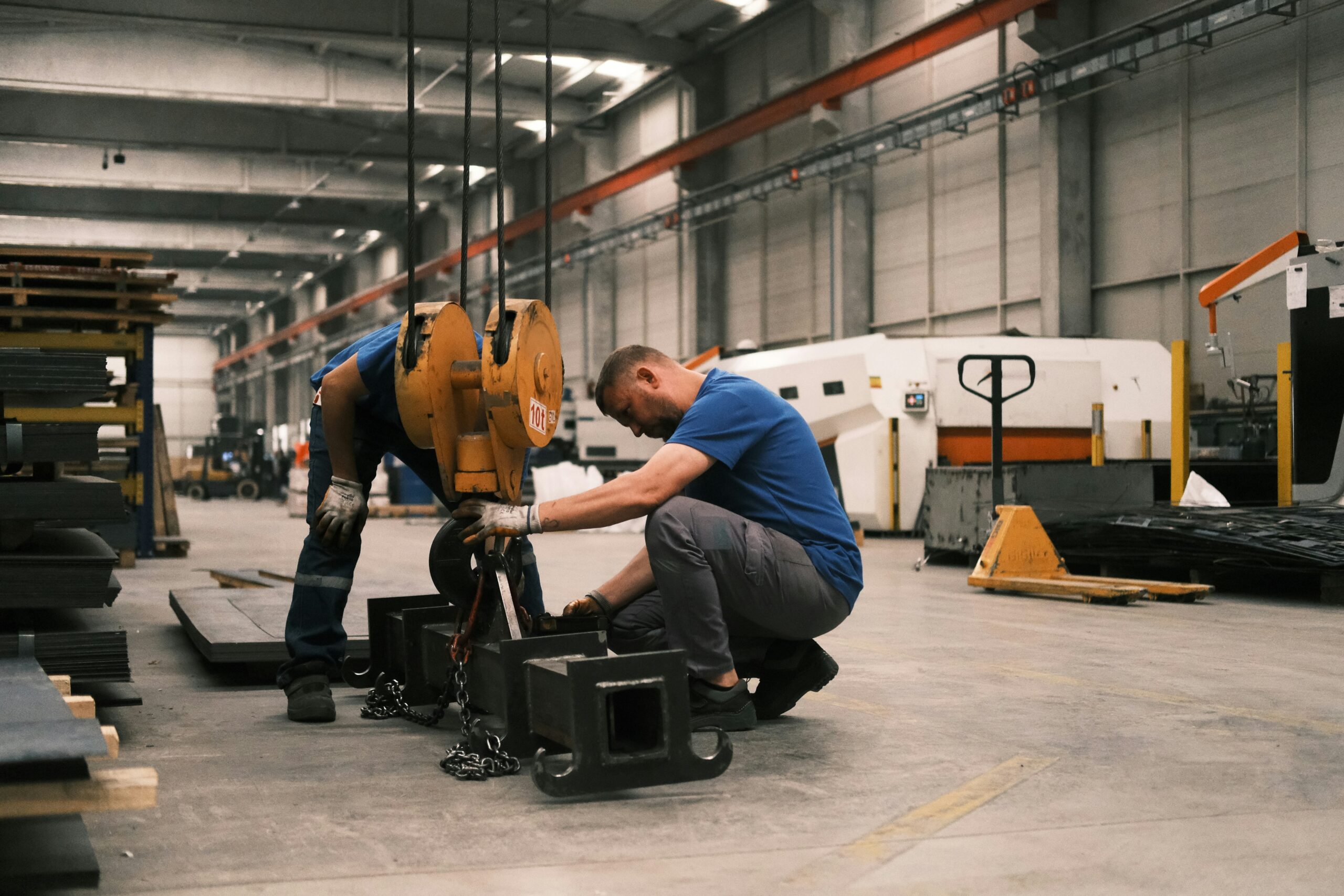
Lifting equipment often works in demanding environments and handles significant loads. Over time, regular use can lead to wear, damage and deterioration. For this reason, regular maintenance plays an important role in keeping equipment safe and reliable. However, maintenance is not the same as inspection or a LOLER thorough examination. Understanding the difference can help businesses manage their equipment more effectively.
What’s the Difference Between Maintenance and Inspection?
Both maintenance and inspection are important, but they serve different purposes.
Maintenance helps keep equipment in good working order.
This may include:
- Cleaning
- Lubrication
- Adjustment
- Servicing
- Replacing worn components
- Repairs
A planned maintenance programme can also help identify smaller problems before they become more serious.
Inspection involves checking equipment for deterioration, damage or defects that could affect safe operation. The type and frequency of inspection will depend on the equipment, how it is used and the risks involved.
LOLER Thorough Examination
A LOLER thorough examination is different again. A competent person carries out a detailed examination to identify defects or weaknesses that could affect the continued safe use of lifting equipment. Importantly, regular maintenance does not replace a LOLER thorough examination where one is required.
You can learn more in our LOLER Inspections Explained article.
Why Is Regular Maintenance Important?
Lifting equipment can experience repeated loading, environmental exposure and accidental damage. Without maintenance, small issues can develop into more serious problems. For example, maintenance may identify:
- Worn or damaged components
- Corrosion
- Damaged hooks or lifting points
- Problems with chains or wire ropes
- Poor lubrication
- Damaged guards or safety devices
- Mechanical or electrical faults
Addressing these issues early can help keep equipment safe and reliable.
What Are the Benefits of Regular Maintenance?
Improved Safety – Regular maintenance can identify wear and damage before equipment develops a serious fault.
Reduced Downtime – Unexpected failures can stop work and cause costly delays. Planned maintenance helps businesses deal with problems before they cause disruption.
Longer Equipment Life – Cleaning, lubrication and replacing worn parts can help equipment remain in service for longer.
Better Reliability – Well-maintained equipment is more likely to perform as expected when required.
Supporting Compliance – PUWER requires work equipment to be maintained in an efficient state, efficient working order and good repair.
For official information, visit the HSE work equipment guidance.
Maintenance, Inspection and Testing
It is helpful to keep these activities separate:
- Maintenance keeps equipment in good working order.
- Inspection checks for damage and deterioration.
- Thorough examination provides a detailed assessment under LOLER.
- Testing may assess equipment or structures under controlled conditions.
- Together, these activities can support a more effective equipment management programme.
How LMT Hire Ltd can help
At LMT Hire Ltd, we support businesses across the UK with lifting equipment, test weight hire, proof load testing and related services. Our team can help with lifting equipment supply, LOLER inspections, proof load testing and re-certification, providing practical support for businesses that need to keep their lifting operations safe and compliant.
For more information, visit our Lifting Equipment page or contact our team on 01709 223 113