
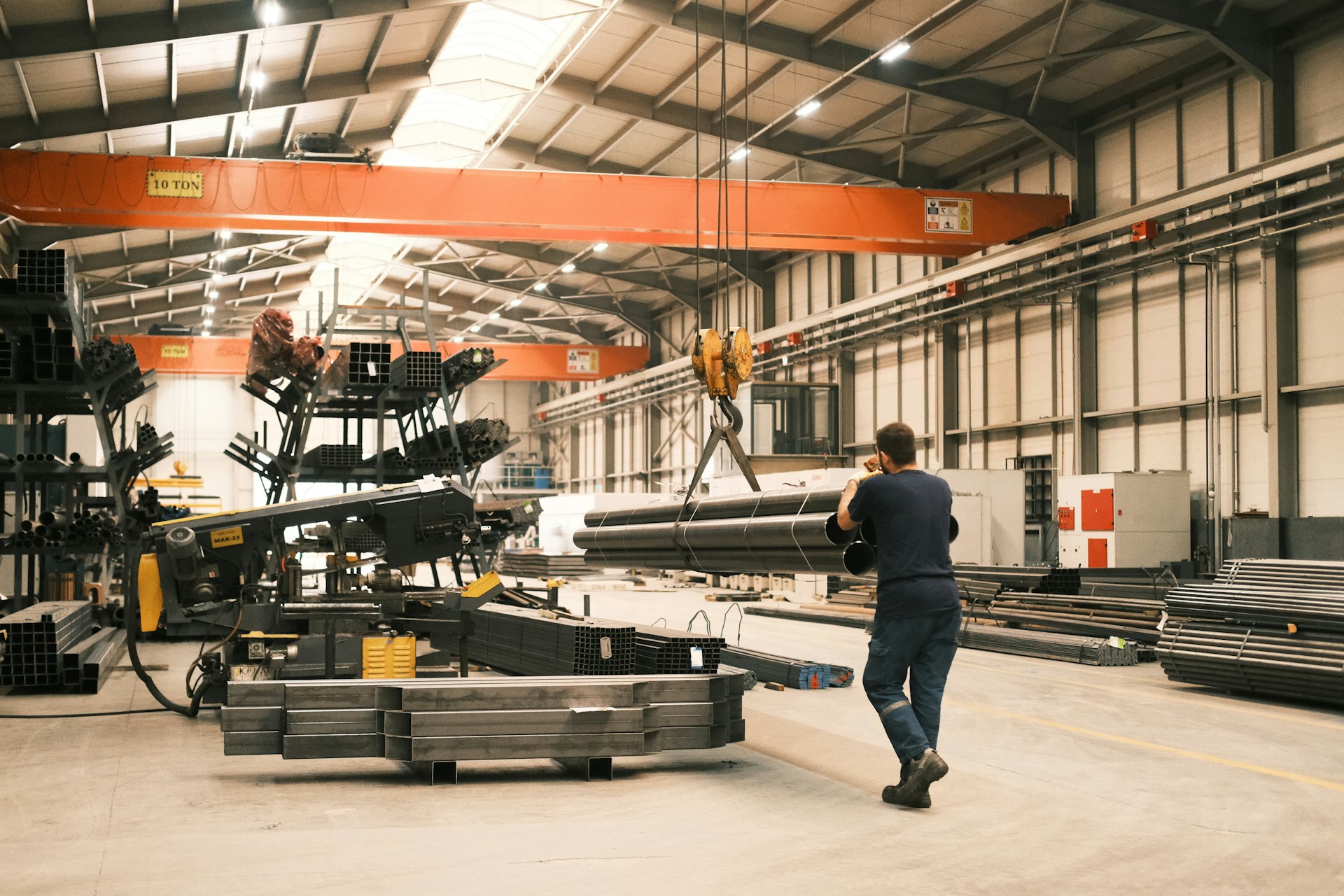
Workplace safety involves more than just lifting equipment. Businesses also need to consider the machinery, tools and other equipment used by their employees. This is where the Provision and Use of Work Equipment Regulations 1998 (PUWER) come in. PUWER places duties on businesses that own, use or control work equipment. It requires equipment to be suitable for its intended purpose, properly maintained and used safely.
For businesses involved in lifting operations, PUWER is particularly important because lifting equipment is also classed as work equipment. Therefore, both PUWER and LOLER may apply.
What is PUWER?
PUWER stands for the Provision and Use of Work Equipment Regulations 1998.
The regulations aim to ensure that work equipment is:
- Suitable for the task
- Safe to use
- Properly maintained
- Inspected where necessary
- Used by suitably trained people
PUWER covers a wide range of workplace equipment. As a result, it applies across many industries, including construction, engineering, manufacturing and logistics. For official guidance, visit the HSE PUWER guidance.
What is classed as work equipment?
The definition of work equipment is broad. It can include machinery, tools, appliances and equipment used during work.
Examples include:
- Hand and power tools
- Forklift trucks
- Workshop equipment
- Hoists and cranes
- Lifting accessories
- Specialist engineering equipment
For lifting operations, PUWER works alongside LOLER. While PUWER covers the safe use and maintenance of work equipment, LOLER focuses specifically on lifting equipment and lifting operations.
You can also learn more through our guide to LOLER inspections.
What are my responsibilities under PUWER?
Businesses must manage the risks associated with their work equipment. First, the equipment must be suitable for the task. You should consider the working environment, the job being carried out and the risks involved. In addition, equipment should be maintained in an efficient state and good repair. Users must also receive suitable information, instruction and training. Depending on the equipment and level of risk, inspections may also be required.
PUWER and Lifting Equipment
Lifting equipment often operates under demanding conditions. Regular use, heavy loads and harsh environments can all affect its condition. For this reason, selecting suitable equipment and maintaining it correctly is essential.
At LMT Hire Ltd, we supply a range of lifting equipment, including:
- Shackles
- Eyebolts
- Web slings
- Chain slings
- Wire ropes
- Lever hoists
- Chain blocks
- Harnesses and lanyards
Visit our Lifting Equipment page to explore the full range.
PUWER vs LOLER: What’s the Difference?
The two regulations are closely linked, but they cover different areas.
PUWER covers work equipment more broadly. It includes suitability, maintenance, inspection and training.
LOLER focuses specifically on lifting equipment and lifting operations.
Therefore, both regulations may apply to the same piece of lifting equipment.
How LMT Hire Ltd can help
At LMT Hire Ltd, we support businesses across the UK with lifting equipment, test weight hire, proof load testing and related services. Our team can help with lifting equipment supply, LOLER inspections, proof load testing and re-certification, providing practical support for businesses that need to keep their lifting operations safe and compliant.
For more information, visit our Lifting Equipment page or contact our team on 01709 223 113